





How to Select the Ideal Conical Strainer for Critical Downstream Equipment
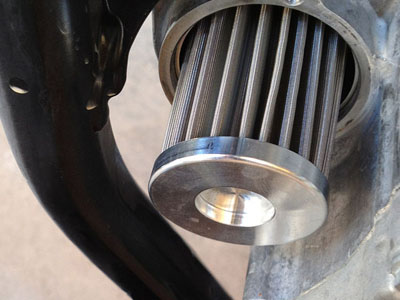
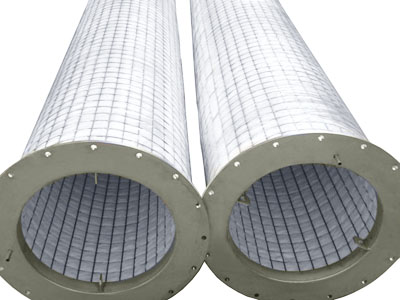
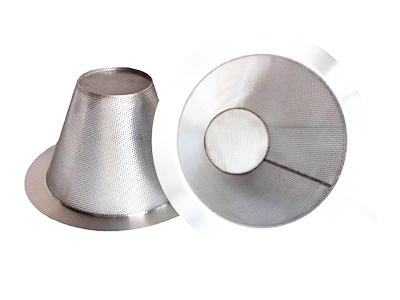
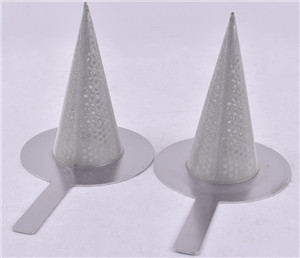
When your production process demands efficient impurity removal to protect critical downstream equipment-such as pumps, valves, and flow meters-conical strainers (also known as cone filters or temporary strainers) are often the ideal choice.
However, with various configurations available on the market, how do you choose the exact model for your operating conditions? The key lies in understanding core specifications and proper sizing.
Key Technical Parameters of Conical Strainers
A conical strainer's performance and application are largely determined by its dimensions and structural design.
Here are the core parameters you need to consider during selection:
1. Cone Dimensions
Major Diameter : The inlet/outlet connection diameter, which is typically the largest section of the strainer. This is the primary dimension used to match flanges. Common sizes include DN50 (2"), DN80 (3"), DN100 (4"), DN150 (6"), DN200 (8"), DN250 (10") and DN300 (12"), with custom larger sizes available upon request.
Minor Diameter:The diameter at the tip of the cone. This affects debris accumulation volume and backwash efficiency.
Cone Height : The vertical distance from the major flange sealing face to the tip of the cone. Height directly impacts the effective filtration area and dirt-holding capacity-taller cones generally handle higher debris loads.
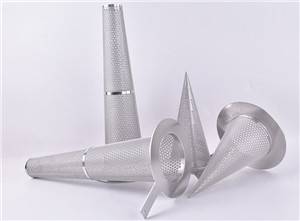
Cone Angle : The interior angle of the cone wall. Common options include 40°, 60° and 90°:
Narrow Angles (e.g., 40°): Feature a slender profile with a longer settling path and slower velocity. Best suited for fine filtration or media where debris settles easily.
Wide Angles (e.g., 90°): Offer a compact, robust profile with high flow capacity and low pressure drop . Ideal for high-flow applications, hard-to-settle particles, or tight spatial footprints.
2. Filtration Rating
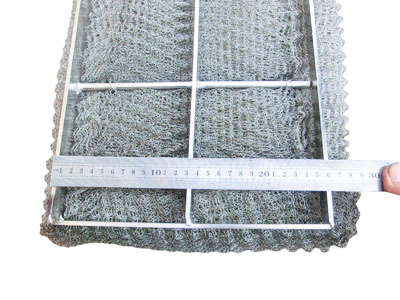
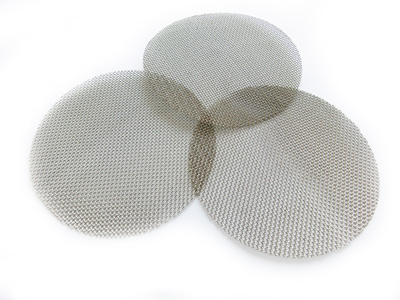
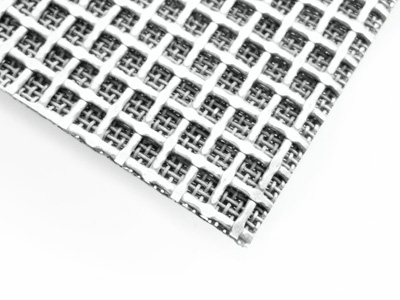
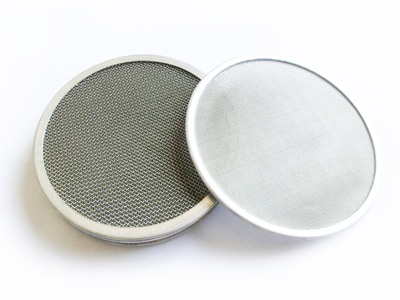
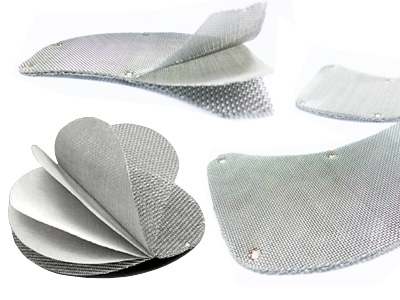
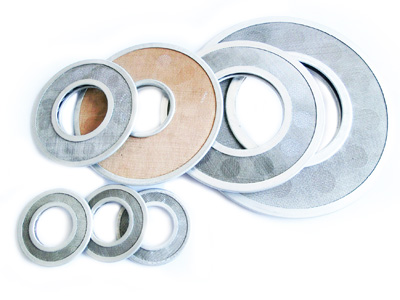
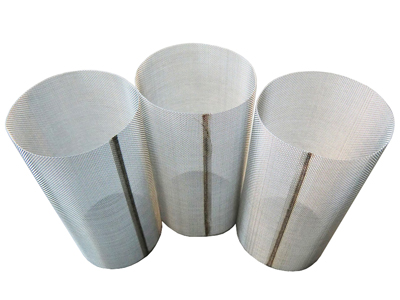
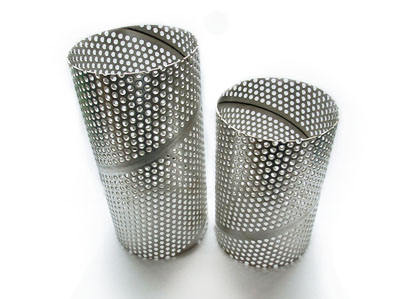
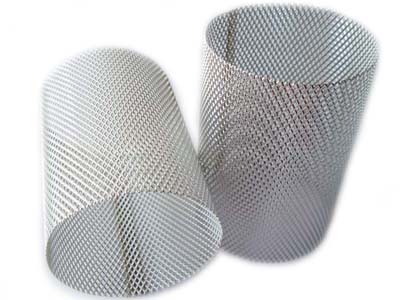
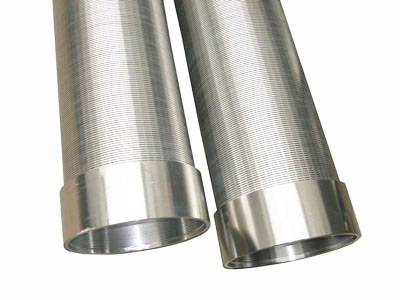
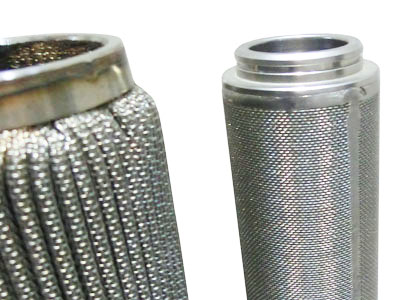
The filtration rating defines the smallest particle size the filter element (typically perforated metal, or woven mesh) can reliably trap.
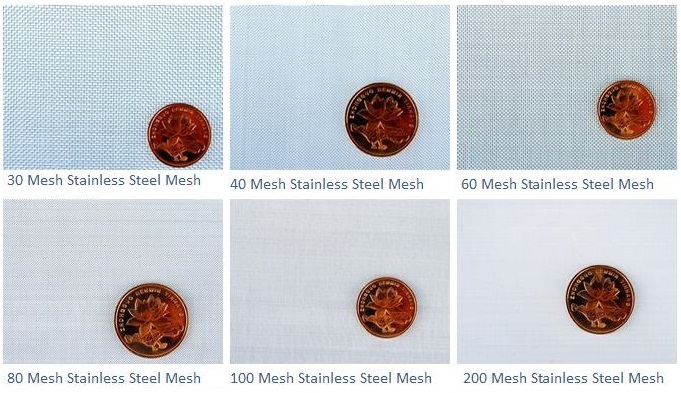
Common Range: Range from coarse filtration (several millimeters) to fine filtration (tens of microns). Examples include 0.1mm, 0.5mm, 1mm, 2mm, 5mm, or mesh sizes like 4mesh,10mesh,20 mesh, 40 mesh ,60mesh,80mesh,100mesh,120mesh,200mesh etc .
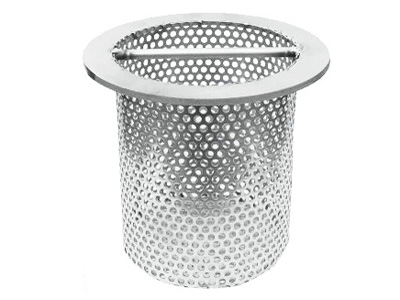
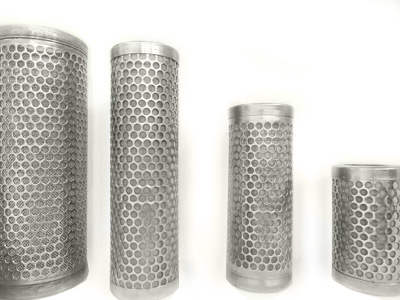
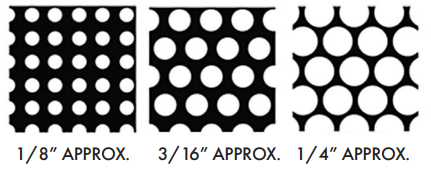
Perforated metal: common round hole diameter 1/8inch,3/16inch,1/4inch,3/8inch,1/2inch etc.
Selection Tip: Match the rating to upstream fluid debris size and downstream equipment tolerance. Finer is not always better-you must balance filtration efficiency against pressure drop and maintenance frequency.
3. End Connections
Flanged Connections: The industry standard. Specify the flange standard (ANSI/ASME, DIN, EN, JIS, GB), pressure rating (Class 150, Class 300, Class 600,Class 900), and sealing face type (RF, FF).
Threaded Connections: Best for smaller pipelines (under 2"/DN50), using standard NPT or BSP threads.
Welded Connections (BW/SW): Ideal for high-pressure lines or permanent installations requiring zero leak paths.
Tri-Clamp/Sanitary Connections: Feature quick-release mechanisms for rapid teardown and cleaning, commonly used in food, beverage, and pharmaceutical industries.
4. Design Pressure & Temperature
Every strainer must withstand the peak operating pressure and temperature of your system. Standard designs range from atmospheric pressure to PN16 / Class 150 and beyond. Always specify extreme operating limits to guarantee structural integrity.
5. Materials
Material compatibility directly dictates service life and media resistance:
Body & Filter Element: 304 Stainless Steel, 316/316L Stainless Steel (superior corrosion resistance), Carbon Steel (with anti-corrosion linings for non-aggressive media), Duplex Steel, Hastelloy, and Titanium.
Gaskets & Seals: NBR, FKM (Viton), EPDM, or PTFE, chosen according to fluid chemistry and system temperature.
Why It Is Important to Choose the Right Conical Strainers
Match flow rate requirements: Too large a flow rate wastes costs, while too small a flow rate leads to a sharp increase in pressure drop and insufficient flow.
Optimize filtration effect: Precision and cone angle directly affect impurity interception efficiency and fluid state.
Enhance dirt-holding capacity: Reasonable height and cone angle design extend cleaning cycles and reduce maintenance frequency.
Ensure system safety: Correct pressure rating and material selection are the cornerstones of safe operation.
Save space and cost: Choose more compact or cost-effective specifications while meeting process requirements.
Need Help Selecting the Right Conical Strainer?
Choosing the ideal temporary or conical strainer requires balancing flow rates, pressure drops, fluid characteristics, and space limits.
Contact our engineering team today to get expert guidance, custom technical drawings, or a competitive quote tailored to your exact pipeline requirements!